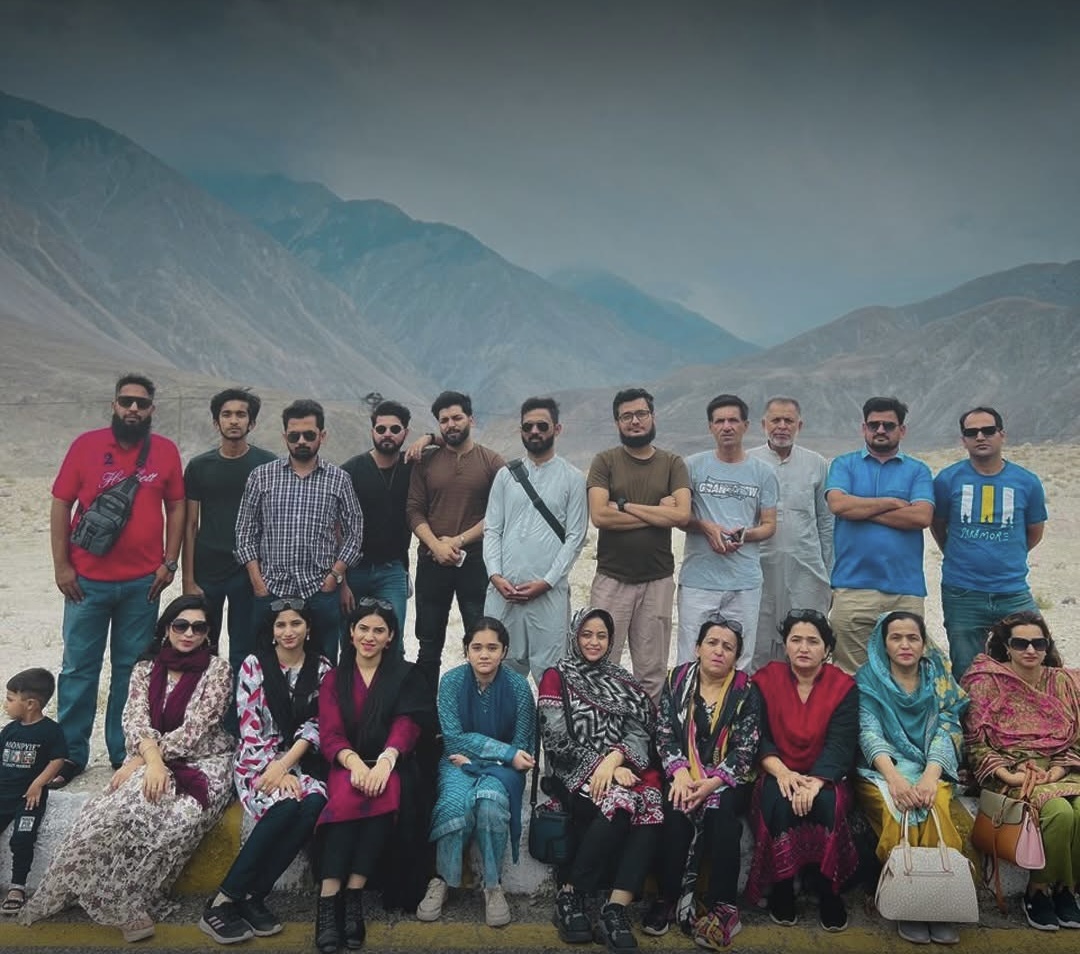
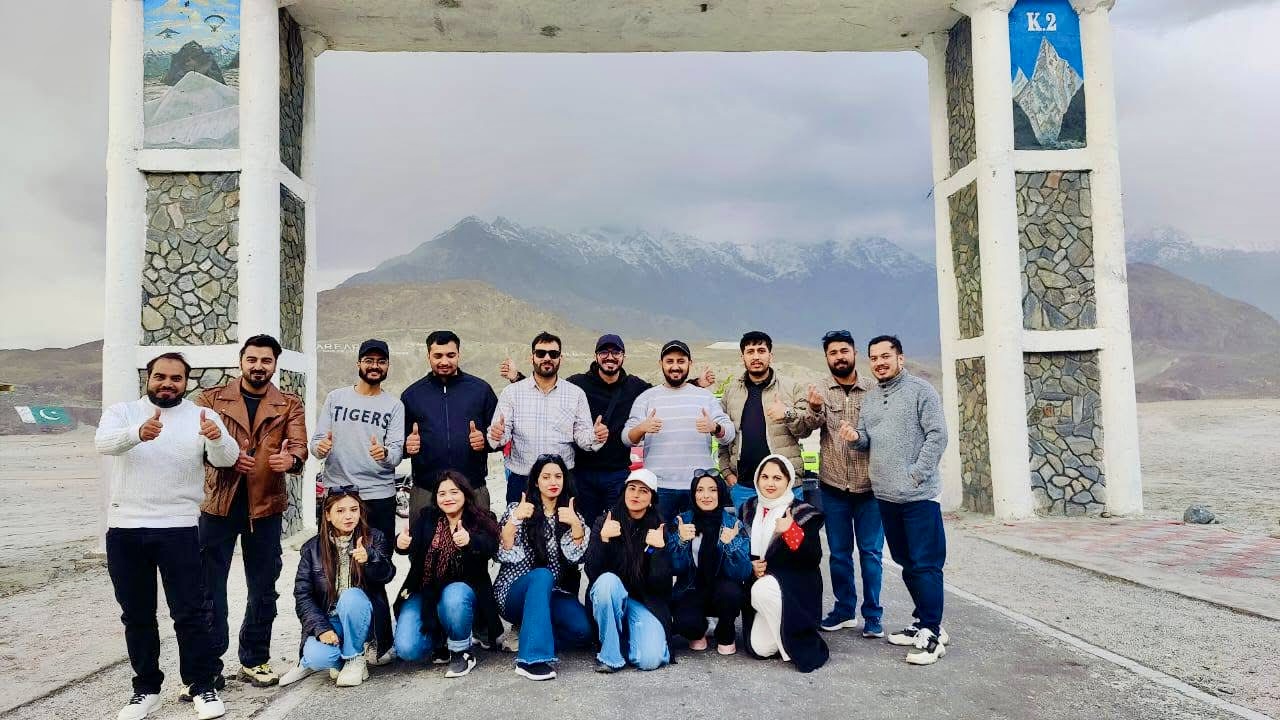
The most common question I get on WhatsApp is some version of: “When’s the best time to visit?” The honest answer is “it depends on which north and what you want to see.” Here’s a month-by-month breakdown from someone who’s been to each valley in every season at least twice.
April: cautious opening
Lower valleys (Naran, Kaghan, Kumrat, Swat) start opening. Hunza is doable. Higher passes (Khunjerab, Babusar, Shandur) are still closed. Cherry blossom in Hunza happens in April — if that’s on your list, this is the month. Risk: weather is unpredictable, snow is still possible above 2,500 m.
May: the sweet spot, part one
Everything is open or opening. Crowds are still moderate. Wildflowers start. May is when I personally travel for fun, not for work, because the season hasn’t fully kicked in yet. Best month for Hunza, Skardu (drive in, not always Sheosar), and Naran-Kaghan.
June: peak conditions, manageable crowds
The classic peak window. Babusar Pass opens. Sharan and Kumrat are fully accessible. Deosai is just starting (mid-June onwards). Weather is reliable. Crowds pick up second half of the month with summer holidays. Best month for Sharan camping, Kumrat treks, and first-time visitors.
July: high season, hot in cities, perfect up north
Eid holidays cluster around July–August in some years. Northern destinations hit peak crowds. If you can travel mid-week you’re fine. Best month for Deosai (in full flower), Mahodand, and Khunjerab. Risk: monsoon rain in lower areas (KP, especially), occasional landslides.
August: the gamble month
Monsoon hits Pakistan’s lower north heavily. Roads in Naran-Kaghan can wash out. Hunza and Skardu are less affected but the drive in is riskier. We still run tours but with built-in flexibility for delays. If you have an inflexible work schedule, don’t book mid-August.
September: the sweet spot, part two
My personal favourite. Crowds thin out as schools reopen. Weather is clear and stable. Skies are bluer than at any other time of year (less haze). Apple harvest in Hunza. Apricot drying. Locals are friendlier because they’re not exhausted. Best month for photography and slow-paced travel.
If you can only travel one week a year in Pakistan’s north, make it the last week of September. I’ll bet money on it.
October: the closing window
Lower valleys still excellent. Foliage in Naran-Kaghan and Kumrat is genuinely spectacular — reds and oranges. High passes start closing mid-to-late October. Hunza foliage is famous and worth a dedicated trip. Risk: early snow at altitude.
November to March: winter Pakistan
A different country. Most operators shut down. We run very limited tours: Skardu winter (snow Skardu is otherworldly), Hunza in February if road conditions allow, and short Murree and Nathiagali snow weekends in January if it actually snows. Honest disclosure: the “guaranteed snow” weekend is increasingly unguaranteed due to climate shifts.
Best months by destination
- Hunza: April (blossom), September (harvest, clear skies)
- Skardu: May, September, February (winter Skardu — specialist trip)
- Naran & Kaghan: June, late September (foliage)
- Kalam & Swat: July, early September
- Kumrat: June (wildflowers), September
- Sharan Forest: June, September
- Deosai: mid-July to mid-September only
- Murree: May (cool but pleasant), late January (if snow)
The myth I’ll keep debunking
“Eid week is the best time to travel.” It is the worst time. Triple the crowds, double the prices, half the patience from every operator. If you possibly can, avoid Eid weeks and the first 10 days of summer school holidays.
Want to come with us?
We run small-group tours every week from April to October. Transport, hotels, meals, and a real local guide — all included.
Plan My Trip on WhatsApp.jpg)