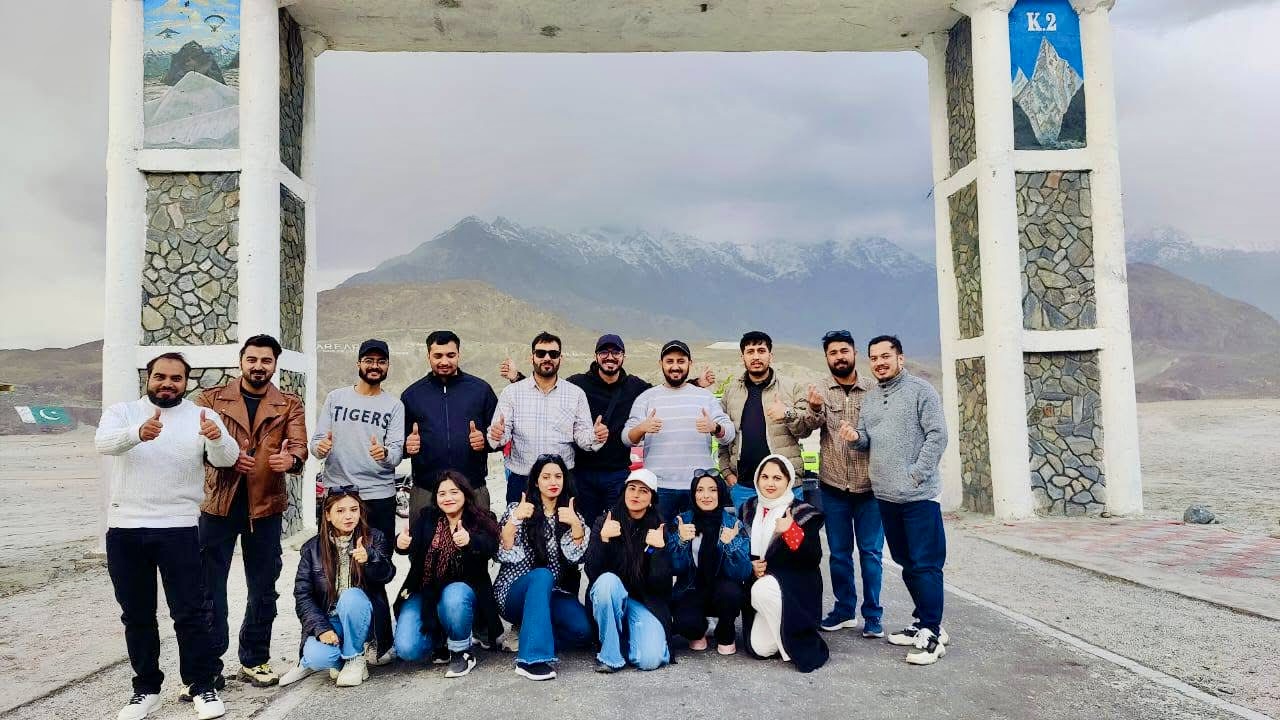
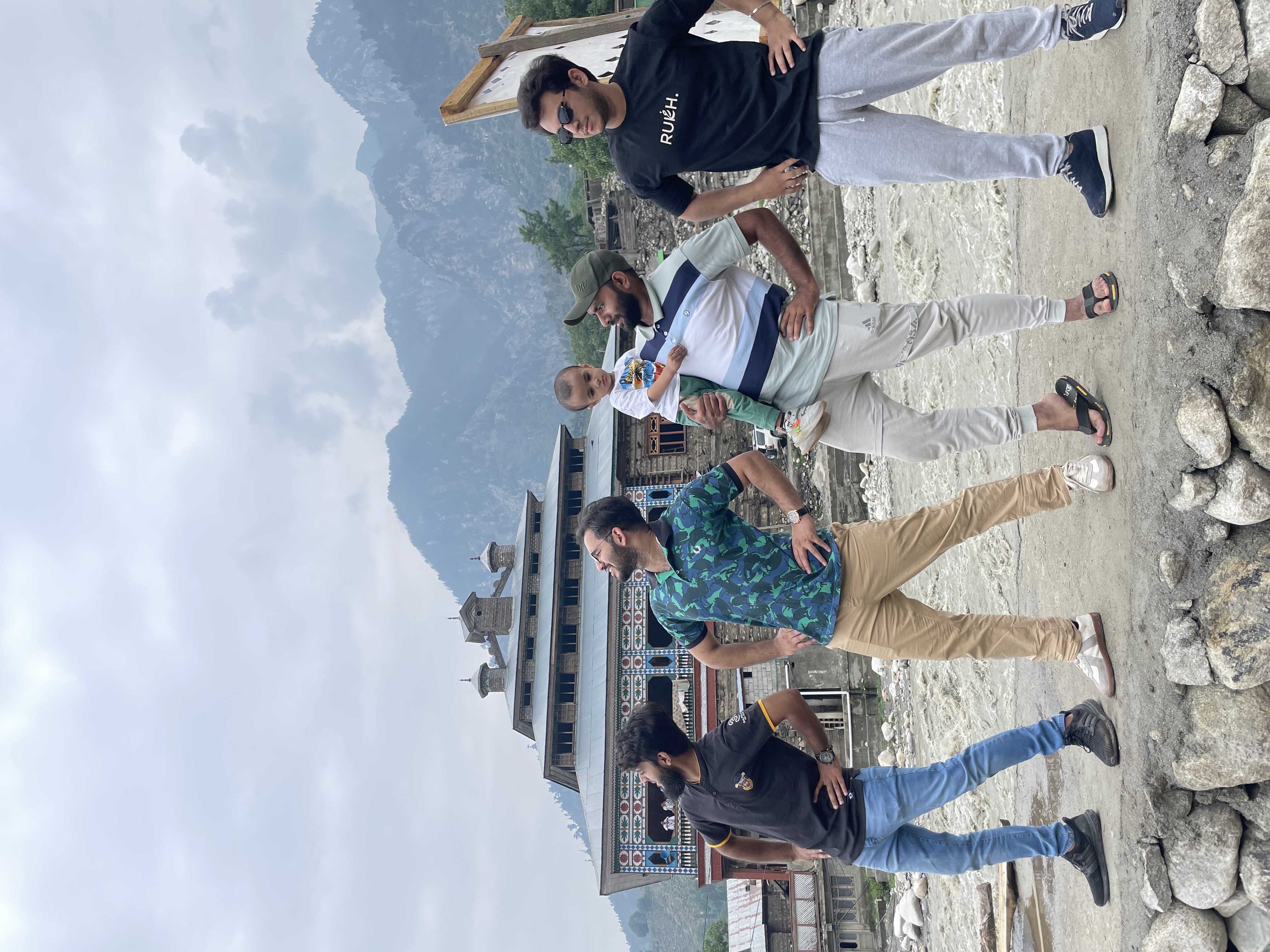
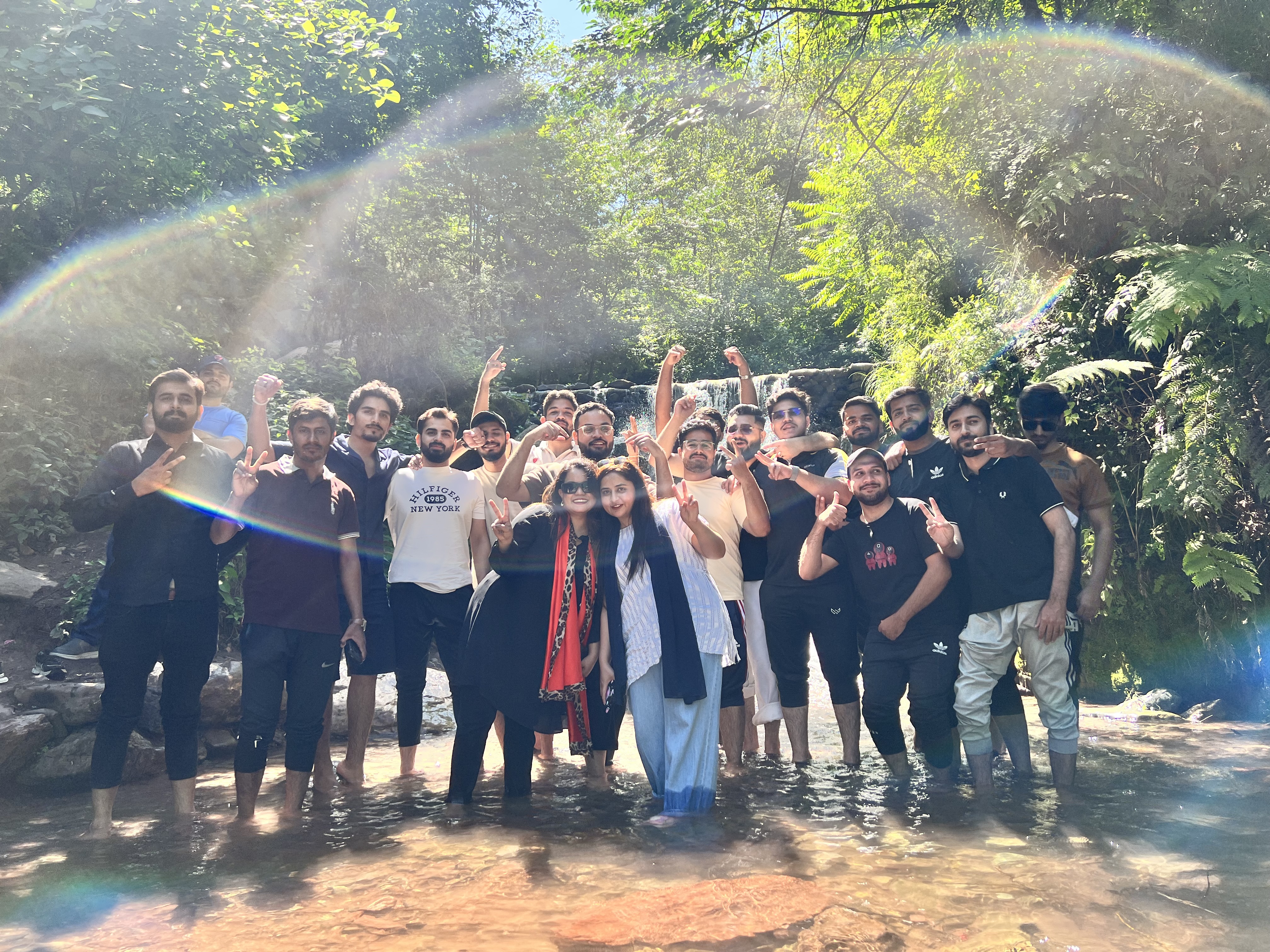
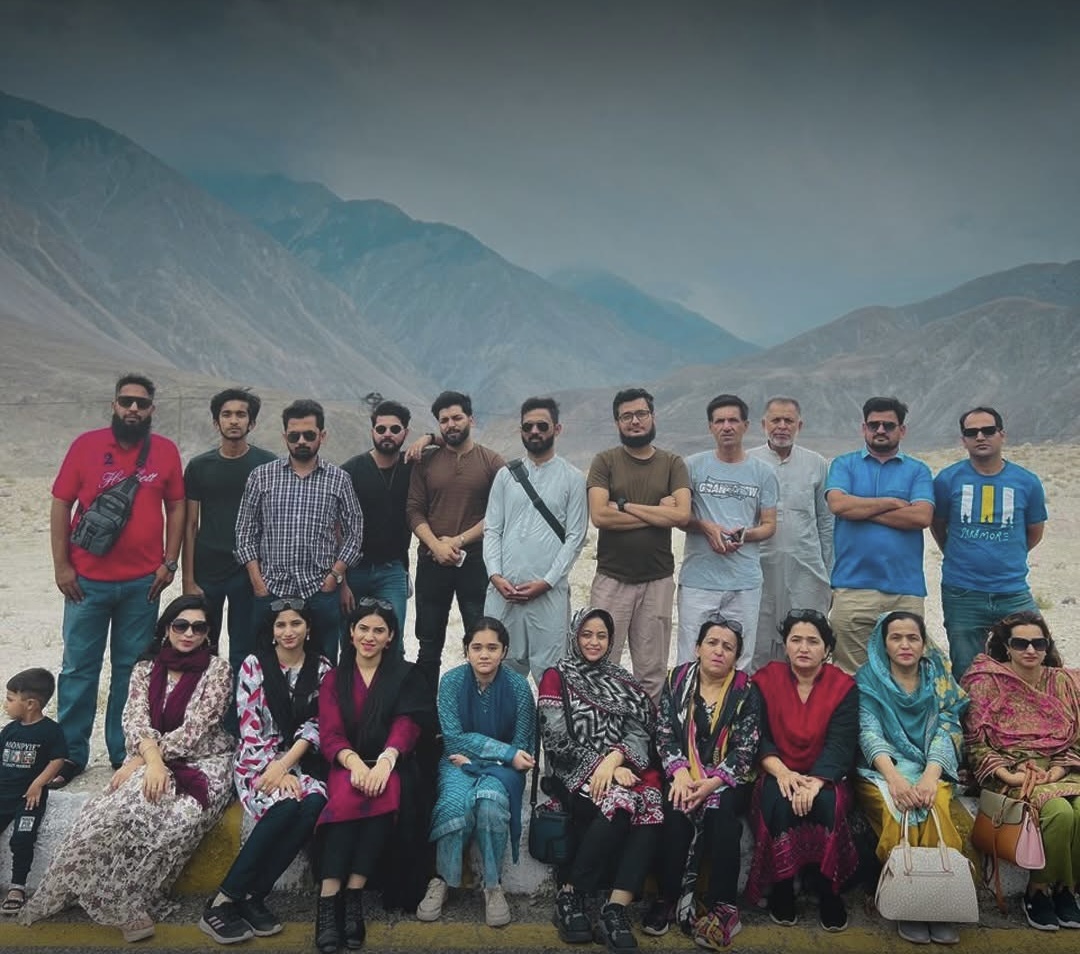
I’ve been to Hunza fourteen times. That sounds like a lot until you meet the people who actually live there, who’ll tell you they’ve never bothered to count. Last May, I took a group of fourteen guests — some first-timers, two who’d been to Switzerland and Norway, one grandmother who hadn’t left Karachi in nine years — and we spent six days in the valley. This is what happened.
The drive in
We left Islamabad at 5 a.m. and reached Karimabad just before sunset the next day. That’s the honest version. The Karakoram Highway is rebuilt and resurfaced in most places now, but there are still stretches — especially around Chilas — where you don’t want to be doing 80. Our driver, Imran bhai, has been on this route since 2009. He knows which corner of which switchback has a permanent rockfall risk after rain. Hire people like Imran. It’s worth every rupee.
The first view of Rakaposhi from the viewpoint near Ghulmet stopped the conversation in our van for a full ninety seconds. I’ve watched that happen on every single Hunza tour we’ve run.
Karimabad: don’t rush this
Most operators give Karimabad a day. That’s a mistake. We stay three nights. Here’s why:
- Baltit Fort tour with a Wakhi guide — not the laminated one-pager. You want someone whose great-grandfather lived there.
- Sunrise from Eagle’s Nest — book it the night before, leave the hotel at 4:30 a.m., bring layers. Even in June it’s 3°C up there.
- Altit village walk — not the fort, the village. Get lost in the lanes behind the old polo ground.
- One slow morning — a real one. No agenda. Sit at Cafe de Hunza with apricot cake and watch the valley wake up.
Attabad Lake: the surreal one
If you’ve seen Pakistan’s tourism reels, you’ve seen Attabad. The turquoise water genuinely is that colour. What the reels don’t tell you is that the lake exists because of the 2010 Attabad landslide that buried five villages and displaced 6,000 people. A lot of those families still live in the resettlement colonies above the highway. When you ride the speedboats, you’re on top of their old homes. Worth holding that in mind.
Passu and the cones
The Passu Cones (Passu Cathedral, locally) are about an hour past Attabad. We hike to the suspension bridge over the Hunza river — the one in every Hunza photoshoot. It’s scarier than it looks. The bridge planks have meaningful gaps. Anyone with vertigo should sit this out, not power through it. We had a guest sit it out and read a book by the river instead. Best day of her trip, she said.
What surprised the group
By day four, three patterns showed up that I’ve seen on every Hunza tour:
- People stop checking their phones. The signal helps. The view helps more.
- Everyone underestimates the cold at night and overestimates the cold during the day.
- Nobody wants to leave on day six. We’ve had guests extend three times in three years.
What it actually cost (May 2026)
For a group of 14, six days, double-occupancy rooms in good (not luxury) hotels, all meals, transport in two Hiace vans, all entry tickets and the boat ride at Attabad: PKR 78,500 per person. Solo travellers paid 12,000 more for a single room. We don’t do five-star Hunza tours because the five-star option in Hunza is, frankly, not a great use of money. The local hotels have better food.
The one thing I’d do differently
Add a day for Khunjerab Pass. We skipped it on this tour because two guests had altitude concerns (Khunjerab is 4,693 m). Should have offered an optional day instead of cutting it entirely. We’re adding that to the default itinerary for the next round.
.jpg)
Want to come with us?
We run small-group tours every week from April to October. Transport, hotels, meals, and a real local guide — all included.
Plan My Trip on WhatsApp